My Story: Down Syndrome
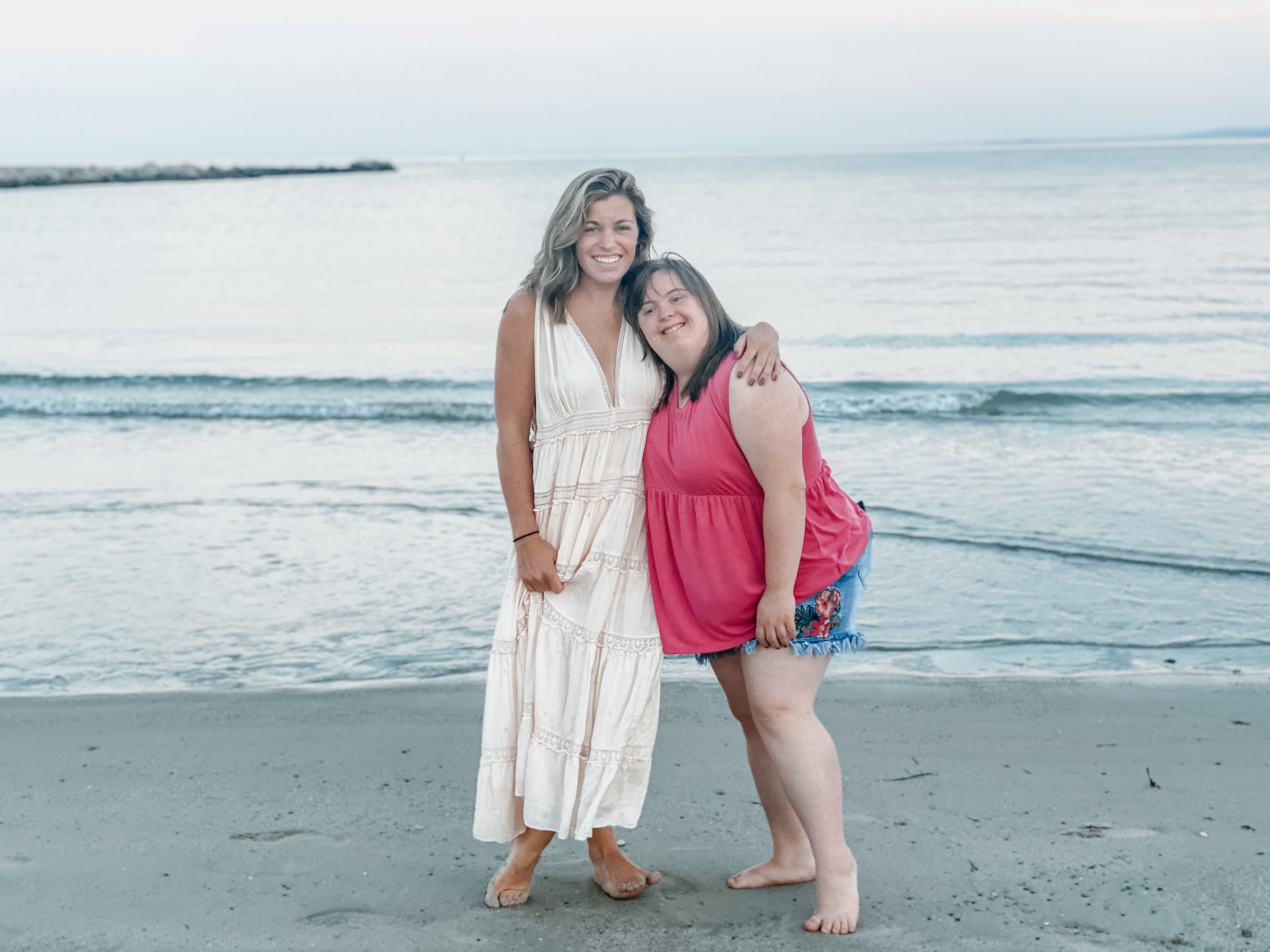
Supporting individuals with Down syndrome and their families is deeply personal to me. I grew up alongside my sister, Emily, who has Down syndrome, and she has profoundly shaped both my life and my work as a therapist. Through her, I learned that every person deserves to be seen first for who they are—not for a diagnosis, but for their unique strengths, personality, relationships, and aspirations.
My personal experiences, combined with my clinical training, have given me a unique perspective on the joys, challenges, and complexities that many individuals and families experience throughout the lifespan. I have supported adults with Down syndrome in building emotional well-being, coping skills, relationships, and greater independence. I also work with parents and caregivers as they navigate changing family roles, caregiving responsibilities, and the emotional realities that can accompany these experiences.
A special area of my practice is supporting expectant parents who have received a prenatal diagnosis of Down syndrome. I recognize that this moment often brings many emotions at once—grief, fear, uncertainty, love, hope, and questions about the future. My role is not to tell families how they should feel, but to create space for those emotions while providing compassionate support, accurate information, and a place to process what this new chapter means for them.
Across all of this work, I believe in honoring autonomy, promoting self-determination, and recognizing each person's strengths alongside the support they may need. Every individual with Down syndrome—and every family—is different. Rather than making assumptions, I take time to understand each person's experiences, goals, communication style, and values so that therapy feels individualized, respectful, and empowering.
Whether I'm working directly with an adult with Down syndrome or supporting a parent, caregiver, or expectant family, my goal is the same: to create a space where people feel understood, respected, and never alone. It is a privilege to walk alongside individuals and families as they navigate life's challenges, celebrate successes, and build lives that reflect their own hopes, strengths, and possibilities.